
Knoveya
Adapt design work around evaluation
Adapt design practice around evaluation and problem selection as generation gets cheaper.
Practical steps for turning an AI interaction into a useful product experience.
Adapt design practice around evaluation and problem selection as generation gets cheaper.

Build a personal set of reusable visual-design prompts around actual recurring decisions.
Develop design-engineering ability through a working loop between intent, code, and observation.
Choose between a one-time prompt and reusable guidance based on repetition and context requirements.
Choose design and implementation tools by the question you need to answer.

Invest in durable design judgment when the tool landscape changes quickly.
Select chat affordances from actual task friction rather than adding every familiar AI control.
Build trust through evidence, control, uncertainty, and recoverability as one connected experience.
Chain prompts only when each stage supplies a checked input to the next.
Give visual generation workflows controls for iteration rather than relying only on repeated text prompts.
Build source inspection into the reading path of an evidence-based AI answer.
Make a long-lived chat useful through source inspection, memory scope, navigation, export, and recovery.
Design an AI feature as explicit states from empty input through partial success, refusal, handoff, and limits.
Design the first layer of a clear AI conversation around input, streaming, tools, and revisions.
Choose the right home for a result: ordinary reply, editable artifact, or exportable deliverable.
Treat agent skills as reusable task guidance with discoverable triggers and bounded permissions.
Compare composer choices through the same task and evidence scope rather than brand preference.
Give AI component work the system context it needs before requesting implementation.
Reduce the blank-prompt barrier through bounded examples and progressive help.
Install a reviewed skill in the intended agent's supported location and verify it is actually discovered.
Keep AI code changes inspectable through context, previews, diffs, and restoration.

Evaluate experimental interfaces for the design decisions they reveal rather than collecting visual inspiration alone.

Build an AI-usable design system from accurate tokens, component behavior, and examples.
Design agent experiences around authority, progress, failure, and intervention.
Design a composer that makes input scope and active capabilities understandable before submission.
Separate user preferences, conversation context, and retained memory into inspectable controls.
Place approval where a person can understand and control a consequential action.
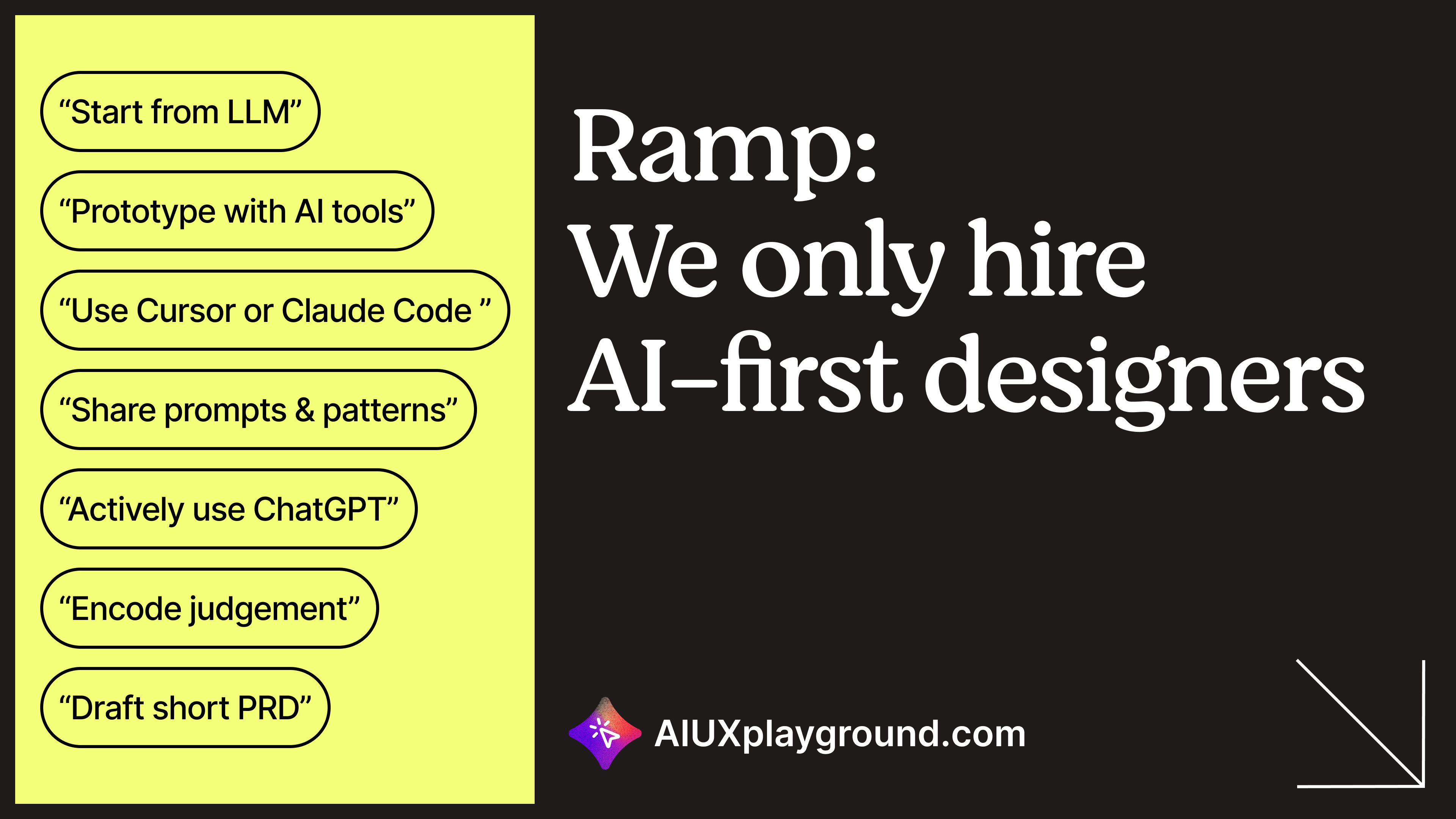
Prepare for AI-focused design roles with demonstrable judgment and working artifacts.
Prompt for accessibility with concrete tasks and observable checks rather than a generic request to be compliant.
Help a new user achieve one real outcome before introducing secondary setup.
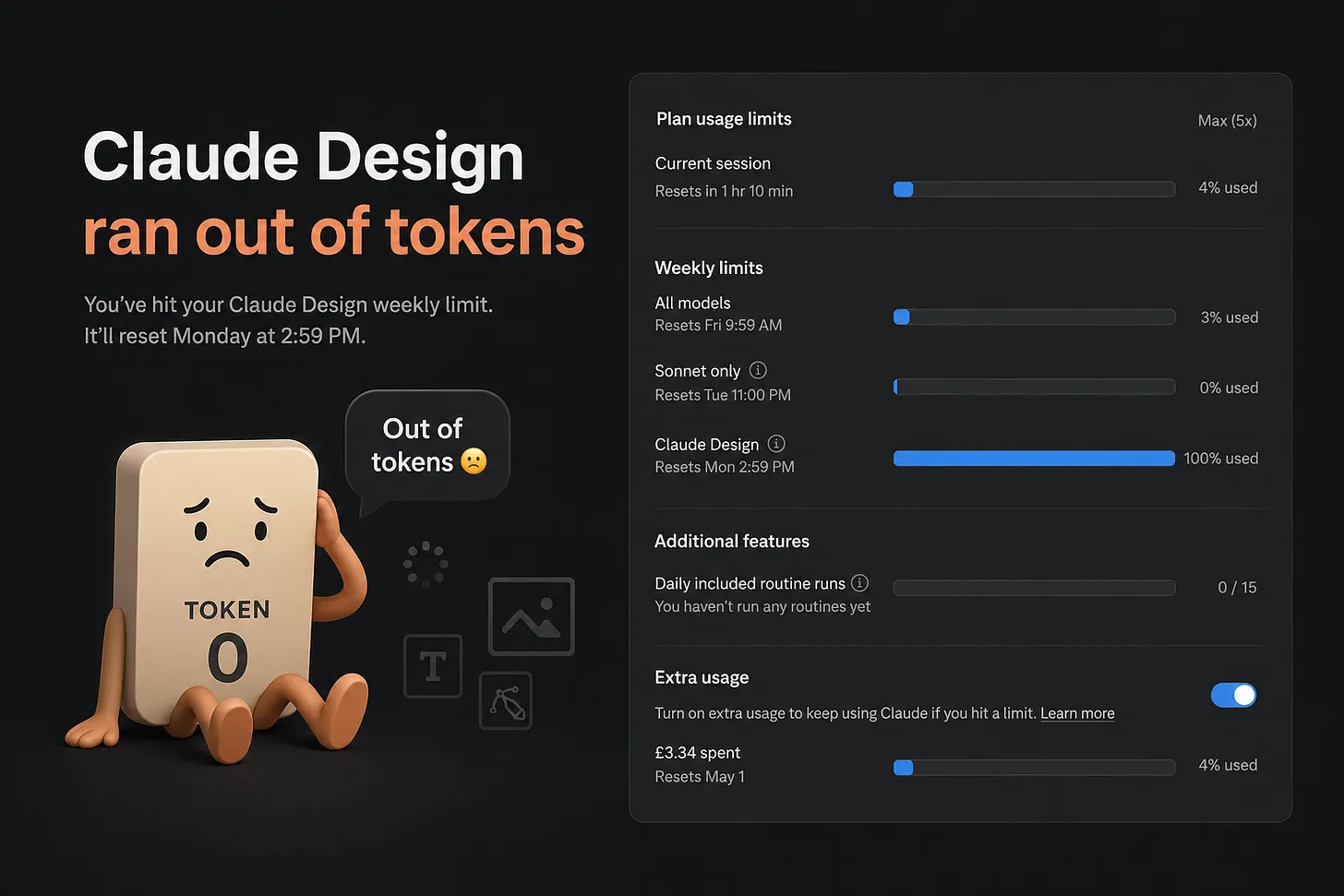
Reduce AI design rework by supplying stable context and evaluating bounded changes.
Choose design prompts by deliverable and provide enough evidence to evaluate their output.
Help new users reach a meaningful result with less setup and clearer expectations.
Use a working prototype as a shared decision artifact while labelling its production limits.
Use AI for research organization while retaining responsibility for evidence and participant privacy.
Use career prompts to organize authentic evidence and prepare better conversations.
Improve coding prompts by making task, context, constraints, and verification explicit.
Keep a person’s work intact and make the next action clear when AI fails.